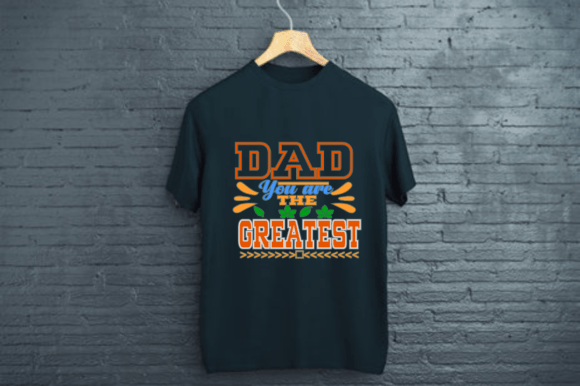
DAD YOU ARE the GREATEST - DAD T SHIRT
First Impressions: Warm, Bold, and Instantly Recognizable
When I opened DAD YOU ARE the GREATEST - DAD T SHIRT, my first thought wasn’t “cute” or “trendy”—it was “this will land.” The layout is clean, centered, and built for impact: strong uppercase lettering with generous spacing, no excessive flourishes, no competing icons or clipart clutter. It reads immediately—even at a glance across a crowded craft fair table or in a dimly lit nursery. That’s rare in a market saturated with overdesigned dad-themed graphics. As an embroidery designer who’s stitched hundreds of sentiment-based pieces, I appreciate how this design trusts the message instead of hiding it behind decoration.
A Real-World Test: Embroidering It on a Linen-Cotton Apron
Last week, I used DAD YOU ARE the GREATEST - DAD T SHIRT for a custom apron order—a gift for a new dad launching his backyard BBQ brand. I chose a medium-weight linen-cotton blend, medium-hoop placement (centered just below the pocket), and a simple satin-stitch outline with subtle fill stitch for the letters. No applique, no shadowing—just confident, legible stitching. The result? Crisp edges, zero thread nesting, and a finished product that felt handmade *and* professional. Customers noticed it right away—not because it shouted, but because it held its ground visually without looking stiff or cartoonish.
Where It Shines (and Where to Pause)
This design excels on structured, stable surfaces: sweatshirt fronts, tote bag panels, pillow covers, tea towels, and embroidered patches meant for jackets or caps. Its generous letter height and open kerning mean it scales well from 3.5" to 6" wide without losing clarity. On baby onesies or toddler tees? Yes—but use lightweight stabilizer and reduce stitch density slightly to keep the fabric soft and breathable. For holiday embroidery—think Father’s Day mugs or kitchen towels—it reads beautifully in single-color thread (navy on cream, charcoal on oat, or even white on dark denim).
That said, proceed with care on highly textured fabrics like thick terry cloth or bouclé knits—the letterforms can blur if stitches sink between fibers. Avoid tight curves like baseball cap fronts unless you’re using a small, simplified version (check your file options). And while it prints cleanly on mugs or banners as a Print Templates asset, remember: embroidery isn’t printing. Tiny serifs or thin internal strokes won’t translate cleanly in thread—so if your version includes delicate ligatures or ultra-thin lines, test them at actual stitch size first.
What It Does for Your Craft Business
As an Etsy seller and small shop owner, I’ve watched customers scroll past generic “Dad Rocks” designs in favor of pieces that feel intentional—not mass-produced. DAD YOU ARE the GREATEST - DAD T SHIRT bridges that gap. It’s warm enough for a personalized gift, bold enough for boutique branding, and versatile enough to anchor a seasonal collection (Father’s Day bundles, new dad welcome kits, or even wedding rehearsal gifts). When stitched cleanly, it elevates perceived value: customers pay more for clarity, confidence, and cohesion—not just sentiment.
I’ve seen buyers pause mid-scroll when they see this phrase rendered in smooth satin stitch on a heavyweight sweatshirt. Why? Because it feels earned—not slapped on. That builds trust. It tells them you paid attention to detail, respected the craft, and understood what “greatest” actually looks like in thread and texture.
Practical Designer Notes Before You Stitch
- Always test on scrap fabric first—especially if you’re layering it over seams, pockets, or curved hems.
- Check thread color contrast carefully: This design lives or dies by legibility. A light gray on heather grey? Too muddy. Go for high-contrast pairings unless you’re aiming for subtlety (and even then, test).
- Review stitch density: If your file includes heavy fill areas, reduce density by 10–15% on lightweight or stretchy fabrics to prevent puckering.
- Confirm hoop size compatibility: While the layout is forgiving, double-check that your chosen size fits comfortably within your machine’s maximum hoop dimensions—especially for larger sweatshirt placements.
- Inspect small details: Look closely at corners, junctions, and inner counters (like the center of the “A” or “O”). Are they clean? Do they require manual cleanup in your embroidery software?
- Test black-and-white mockups: View the design in grayscale to assess tonal balance before committing to thread colors.
- Use proper stabilizer: Tear-away works well for stable cottons; cut-away adds durability for stretchy knits or items that’ll be washed often.
- Verify licensing: Since this is sold as a Graphics digital embroidery file, confirm whether commercial use (e.g., selling finished embroidered tote bags on Etsy) is permitted under the terms provided.
Final Thought: It’s Not Just a Phrase—It’s a Design Decision
Choosing DAD YOU ARE the GREATEST - DAD T SHIRT isn’t about grabbing the first dad-themed file you find. It’s about selecting a design that supports your craftsmanship—not competes with it. It gives you room to execute well: clean hooping, thoughtful thread choices, consistent tension, and confident presentation. Whether you’re embroidering a single baby onesie for a friend or building a full Father’s Day line for your handmade product shop, this design lets your skill speak louder than the sentiment. And in embroidery—where every stitch is visible—that’s everything.