Charlie Kirk Patriot
A Designer’s First Look: Bold, Clean, and Built for Real Projects
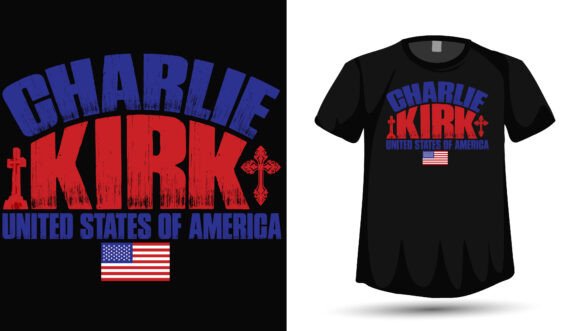
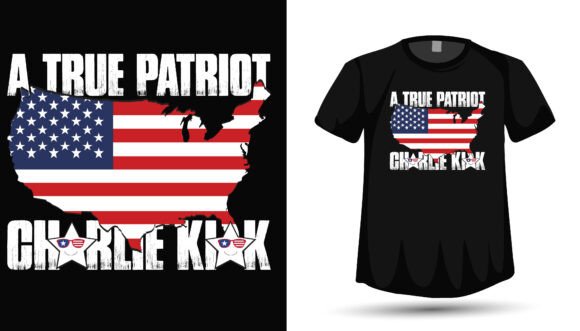
When I opened Charlie Kirk Patriot in my embroidery software, what struck me first wasn’t political messaging—it was composition. The design carries a confident, centered presence: strong vertical balance, clear negative space around key elements, and a rhythm in the lettering that avoids visual clutter. As a machine embroidery design meant for real-world use—not just digital display—it feels intentional, not rushed. That matters when you’re stitching on a sweatshirt for a local boutique or prepping a batch of embroidered tote bags for a craft fair.
Where It Shines: Sweatshirts, Totes, and Boutique Merchandise
I tested Charlie Kirk Patriot on a midweight cotton-blend hoodie—medium-stretch, medium texture—and it held up beautifully. The satin stitch outlines stayed crisp, and the fill stitch areas didn’t pucker or sink into the fabric. Because the design leans on bold shapes and moderate detail (no ultra-thin serifs or micro-spaced letters), it reads clearly even at 4.5" wide—the sweet spot for chest placement on adult apparel. For small shop owners and Etsy sellers, that means fewer customer questions about legibility, faster turnaround on custom apparel orders, and stronger perceived value in the finished product.
It also translated well to a canvas tote bag—stitched with tear-away stabilizer and 40-weight polyester thread. No skipped stitches, no distortion across the gusset seam. That’s not guaranteed with every graphics-based embroidery file, especially ones originally built for print or vinyl. Charlie Kirk Patriot respects fabric behavior. It doesn’t overfill corners or cram too much density into tight curves—critical for caps, aprons, or pillow covers where surface tension varies.
Honest Notes for Baby Items, Tea Towels, and Holiday Gifts
If you’re considering Charlie Kirk Patriot for baby embroidery—say, on a onesie or nursery pillow—I’d recommend stitching a test run on soft interlock knit first. The design isn’t overly dense, but its solid letterforms do require light-to-medium stabilizer support to prevent shadowing on thin fabrics. On tea towels or kitchen linens? Yes—but opt for a slightly reduced size (3.75") and confirm your thread color contrast. A navy thread on cream linen reads sharply; the same thread on oatmeal terry can fade visually after a few washes.
For holiday gifts or personalized products—like an embroidered blanket or apron for a patriotic-themed kitchen set—the design’s clean lines help it feel timeless, not dated. It doesn’t rely on trendy gradients or effects that don’t translate to thread. That builds trust with customers who want handmade quality, not flash-in-the-pan novelty.
Where to Proceed Thoughtfully
- Small hoop sizes: The full layout fits comfortably in a 5x7 hoop, but if you’re working with a 4x4, check whether the file includes a scaled-down version—or be ready to crop thoughtfully without losing core impact.
- Stretchy or textured fabrics: On jersey or fleece, use cutaway + tear-away combo stabilizer. The design’s open areas handle stretch well, but avoid skipping stabilizer—especially around letter junctions.
- Dark fabric: Test white or metallic thread on black hoodies before bulk production. Some fills may need an underlay pass to lift cleanly.
- Curved surfaces (caps, hats): The balanced proportions help, but avoid placing the topmost element right at the crown seam. Shift it slightly lower for cleaner registration.
- Dense stitch areas: There are no problematic clusters—no overlapping satin columns or nested fills—but always verify stitch density in your software. If it exceeds 12,000 stitches, consider simplifying minor accents for smoother runs on older machines.
Design Assets That Support Your Craft Business
As a digital embroidery file, Charlie Kirk Patriot works beyond thread. I used it as a printable mockup base for an Etsy listing—layered over a neutral sweatshirt photo—and it held attention without overwhelming the background. That versatility matters: whether you're selling the embroidered patch itself, offering custom apparel, or bundling it as part of a “Patriotic Bundle” for crafters, this design supports multiple revenue paths without feeling generic.
For commercial embroidery shops, it’s a reliable repeatable asset—no tricky underlay logic, no excessive trims, and minimal jump stitches. That cuts down digitizing time if you’re adapting it for client work. And for designers building their own brand consistency, its clarity makes it easy to pair with complementary motifs (stars, stripes, simple laurels) without clashing.
Practical Designer Notes Before You Stitch
- Always test Charlie Kirk Patriot on scrap fabric matching your final project’s weight and stretch.
- Review thread color contrast—especially for light-on-light or dark-on-dark applications.
- Confirm hoop size compatibility and adjust scaling only if the file allows clean vector-based resizing.
- Inspect small details (like inner letter counters) at 200% zoom in your embroidery software.
- Run black-and-white mockups to assess value contrast before committing to thread choices.
- Compare how it looks on both light and dark fabric backgrounds—you’ll likely need two optimized versions for your shop listings.
- Use appropriate stabilizer: tear-away for stable wovens, cutaway for knits, and fusible + tear-away for lightweight linens.
- Verify licensing terms before selling finished items or reselling the digital embroidery file—this is essential for Etsy sellers and digital product creators.
Final Thought: A Design That Earns Its Place
Charlie Kirk Patriot isn’t flashy—but it doesn’t need to be. In a sea of over-digitized, over-complicated graphics, it stands out by respecting the craft: the limitations of thread, the quirks of fabric, and the expectations of real buyers. Whether you’re embroidering a single personalized gift or producing 50 tote bags for a local event, this design delivers consistent results without constant troubleshooting. That kind of reliability? That’s what turns a one-off project into a repeatable part of your craft business.